
Ontario Winters + Rammed Earth Performance
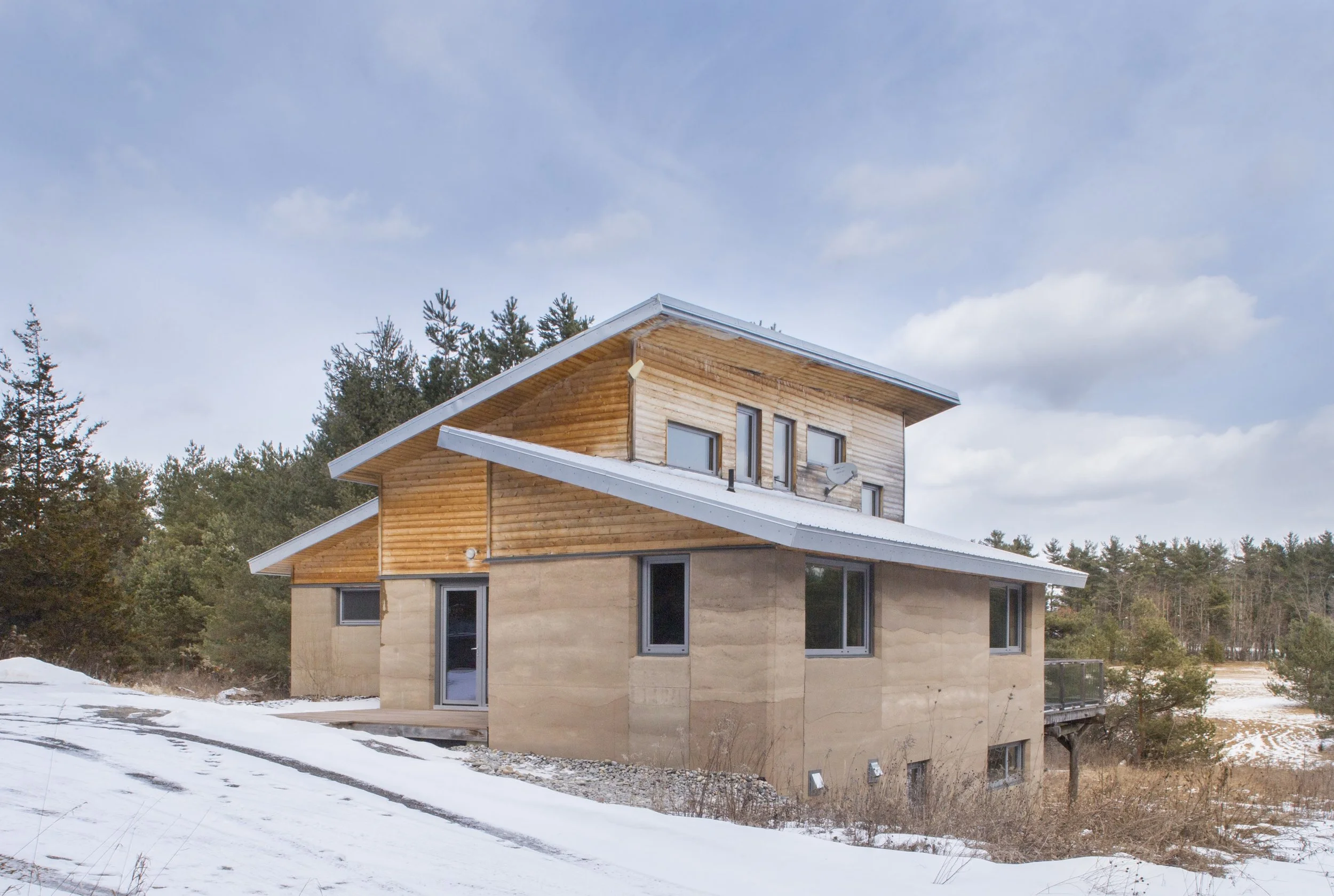
I still remember my first winter visit to Castleton.
I'd packed for survival. Wool sweaters. Thick socks. Extra layers. The whole works.
After all, I was heading to a rammed earth home in rural Ontario over Christmas, with temperatures hovering around -25°C. I wasn't entirely convinced I'd be comfortable in a home with no operating mechanical heat source.
I was wrong. And, I was overpacked.
From the moment I hung up my jacket, the house felt warm and comfortable in a way that surprised me. There were no cold drafts, no hot-and-cold swings, and no sense that the weather outside was dictating how the house felt inside (even if the sun was - more on that later).
I remember thinking, "Wait. How is this possible?"
After spending time in more rammed earth homes and speaking with homeowners, tradespeople, and the rammed earth curious, I've learned that my experience wasn't unusual.
Heather Boyd, who lives in a rammed earth home here in Prince Edward County, describes it this way:
"It's hard to explain until you've lived in one. The house just feels comfortable. The temperature stays remarkably consistent, and even during the coldest parts of winter, it never feels like you're fighting against the weather."
So What's Going On?
The reason my Castleton experience was so surprising comes down to something called thermal mass.
Unlike a conventional wall, a rammed earth wall can absorb, store, and slowly release heat energy. (Thank you sun!)
During the day, the wall stores heat from the sun and from the home's heating system (if it has been turned on - which it never is when I visit Castleton). Later, as temperatures drop, that stored energy is gradually released back into the living space. Sounds like magic, but it’s even better - it’s science.
If you've ever walked into a basement on a hot summer day and noticed how cool and stable it feels compared to the outdoors, you've experienced thermal mass at work.
The result isn't necessarily a warmer home. It's a more stable one.
Temperatures fluctuate less. Rooms feel more consistent. The home isn't constantly chasing the weather outside.
For many homeowners, that's what comfort actually feels like.
If Rammed Earth Is So Good, Why Does It Still Need Insulation?
Rammed earth’s superpower: Thermal Mass.
The short answer is that thermal mass and insulation do different jobs.
Insulation slows the movement of heat through a wall. Thermal mass stores heat and releases it slowly over time.
One doesn't replace the other. It’s just that the best-performing homes use both.
Aerecura’s rammed earth homes are carefully designed to combine the benefits of thermal mass with modern insulation strategies, high-performance windows, and airtight construction. Each component plays a different role in creating a comfortable, energy-efficient home that performs exceptionally well in a real Ontario winter.
Comfort Is More Than a Number
A high-performance home should do more than reduce energy bills—it should feel comfortable to live in.
I wasn’t surprised to learn that rammed earth homeowners use less than half the energy of a conventional home while enjoying a more stable indoor environment throughout the year.
The numbers tell part of the story, but the real difference is something those who live in rammed earth - or get to spend time in them like I do - notice every day: rooms stay comfortable longer, and there’s a quiet sense of stability that's difficult to measure—but easy to feel.
Built for Ontario
Ontario winters are demanding.
We are dealing with increasingly unpredictable weather. Homes need to be resilient, durable, and capable of performing year after year. Sylvia and Graham began with Castleton and have now perfected a home that does exactly that.
Looking back, I realize I arrived in Castleton expecting to debate a theory. Instead, I experienced a home that simply felt good to be in, and I continue to be floored every winter (and summer, spring, and fall) visit.
How cool (or totally temperate) is that?
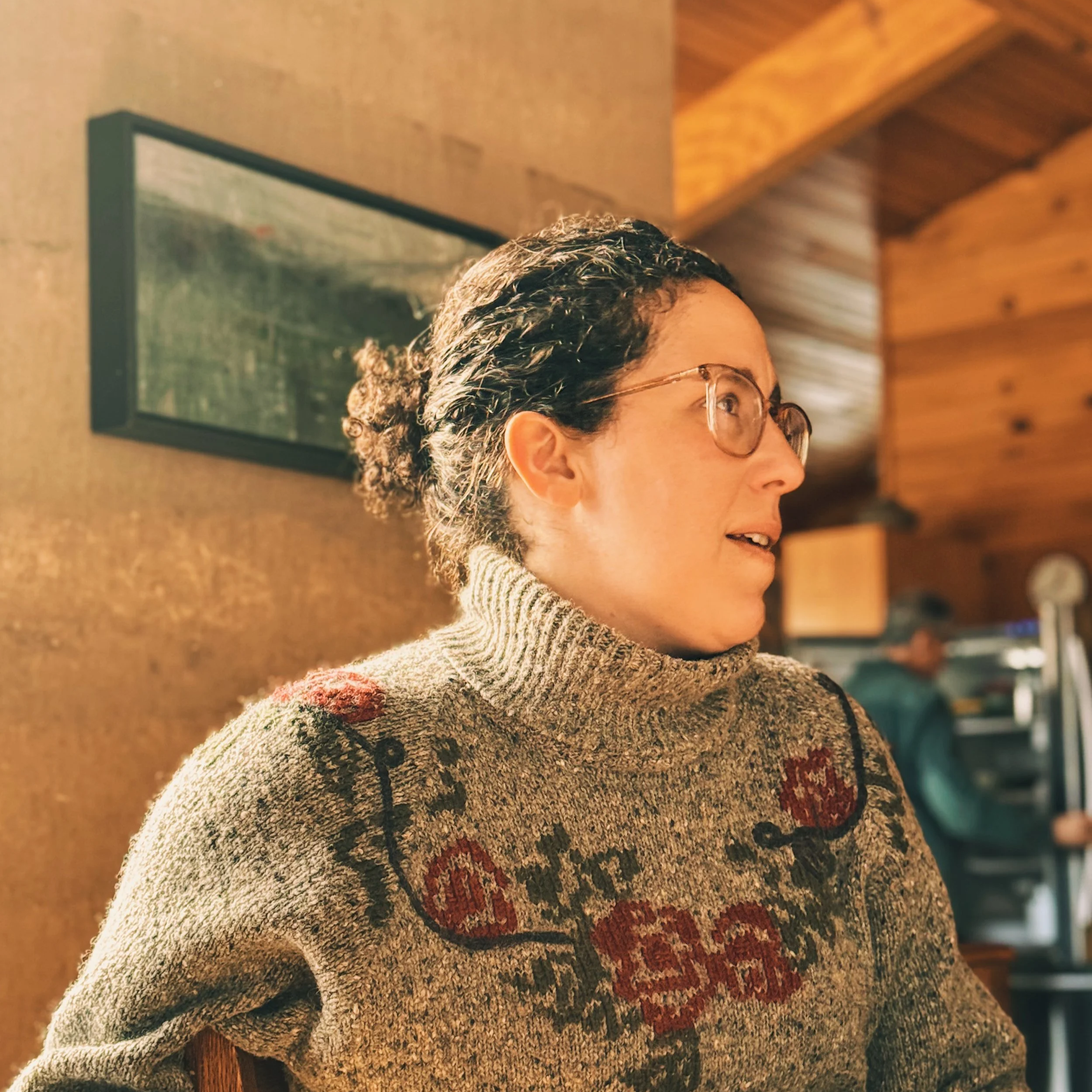
Lindsey in Castleton, overdressed.
About the Author
Lindsey Van De Keere is a storyteller, marketer, and sustainable building advocate with Aerecura. She spends her days translating building science into plain language and helping homeowners understand what it feels like to live in homes built for comfort, durability, and generations to come.